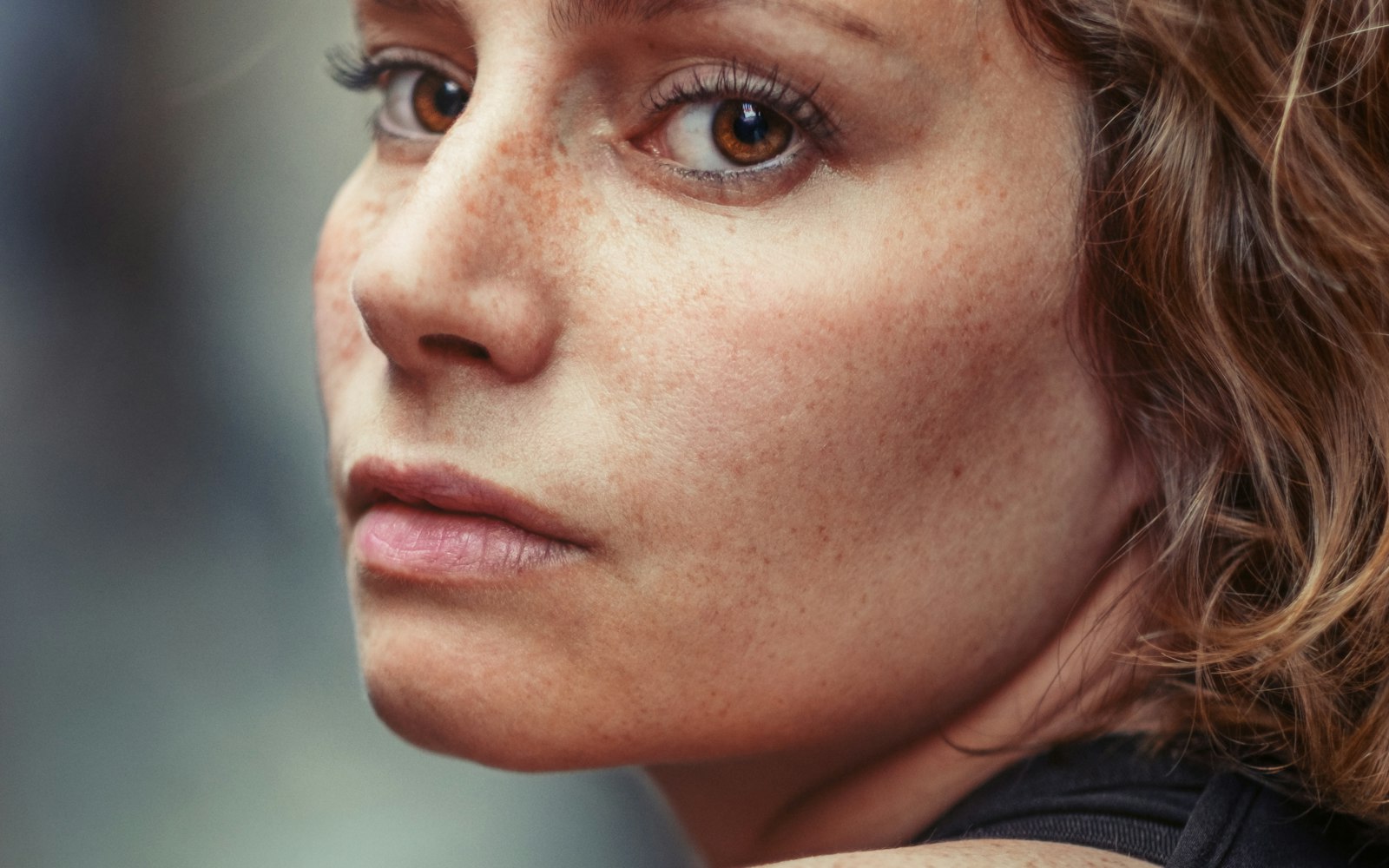
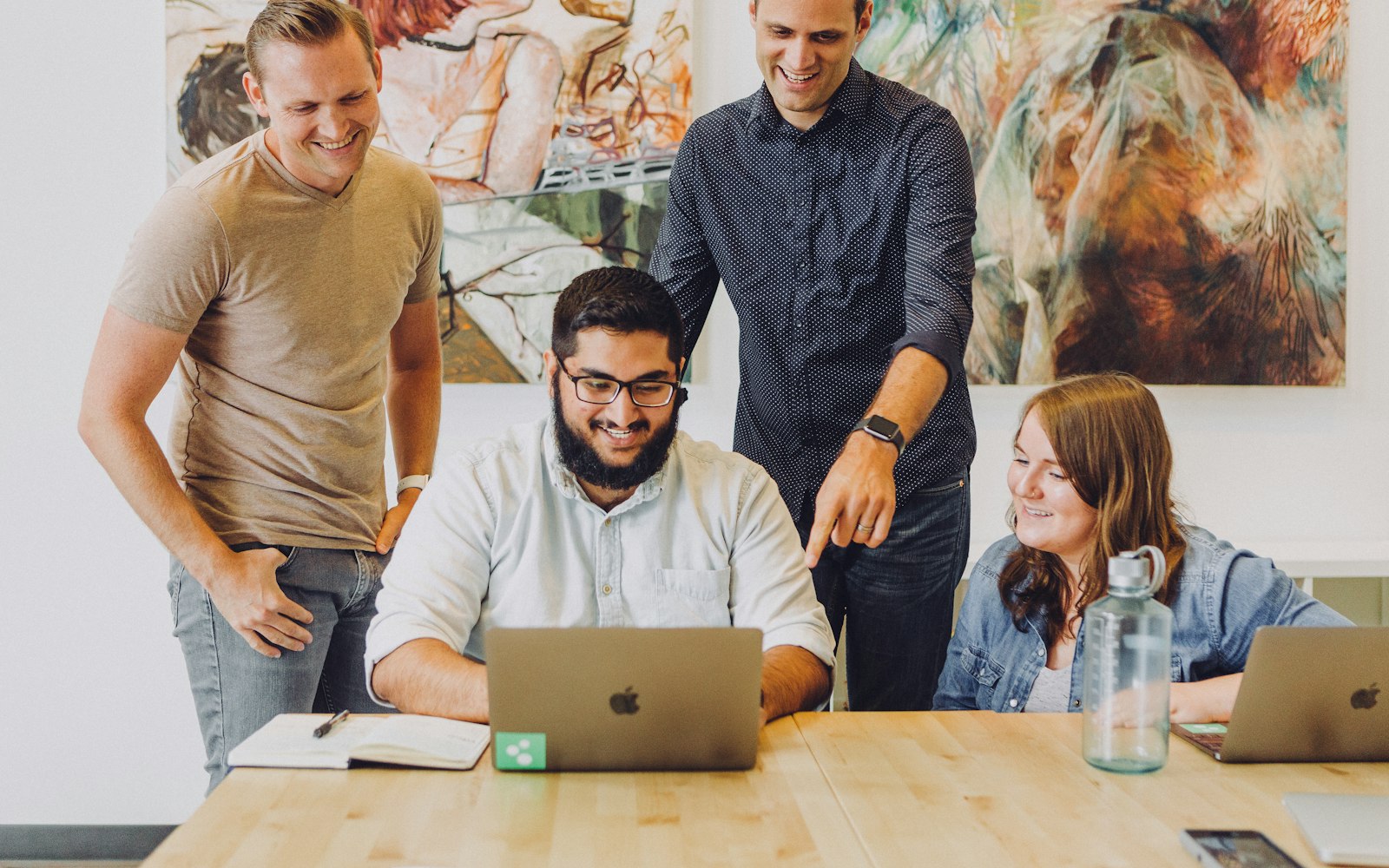
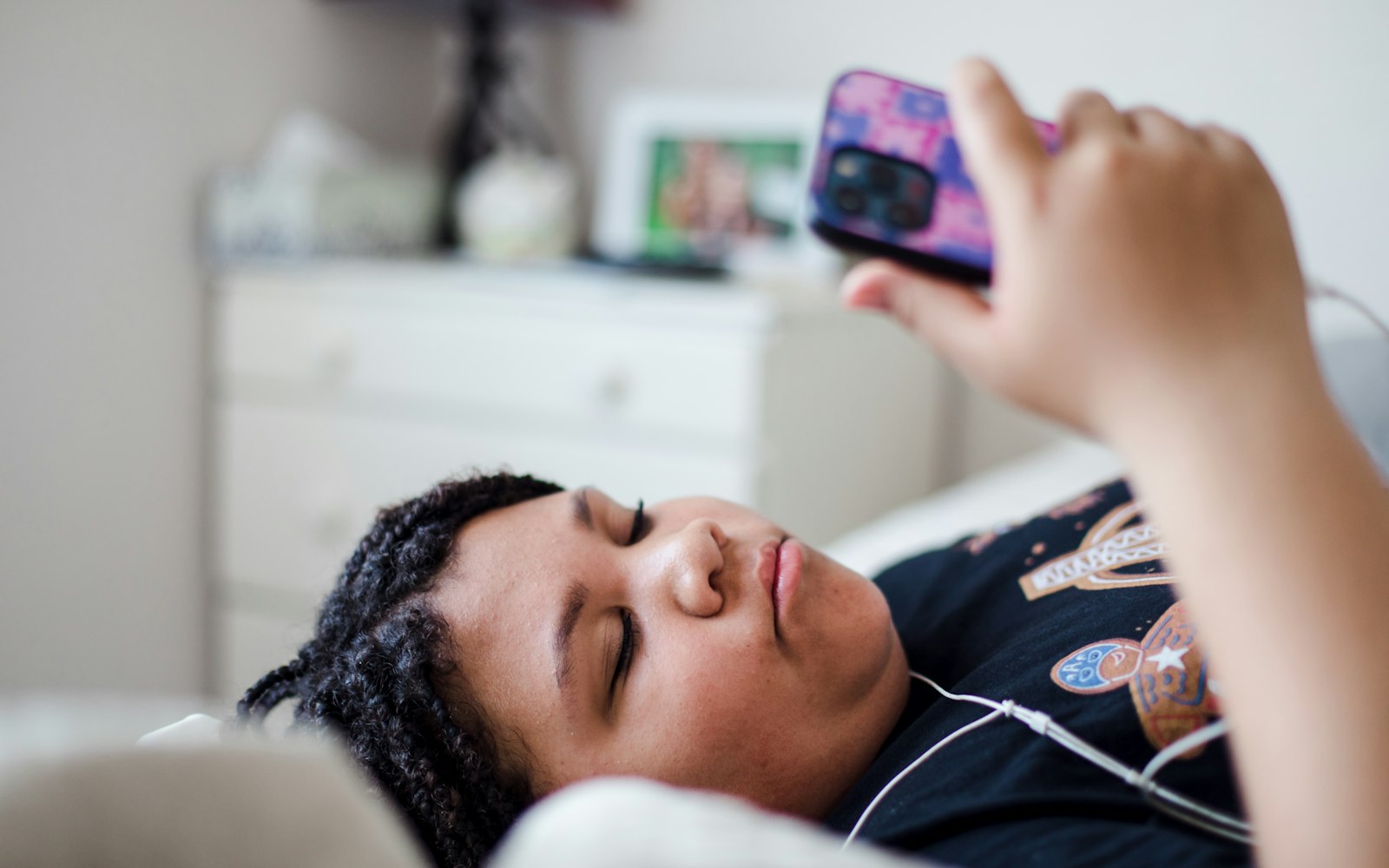
Sleep, movement, bonds: the trio that lowers the risk of depression by 57%.
Photo: Unsplash
A study of 300,000 people confirms what the VITAMIN « S » blister pack has offered from day one: mental health is also built with simple gestures, repeated every day.
Researchers from Fudan and Cambridge universities followed more than 300,000 adults. Their results, published in Nature Mental Health, are clear: people who combine healthy lifestyle habits have a 57% lower risk of depression than those who have none.
The habits that count
Sleep between 7 and 9 hours. Move about 2.5 hours a week at moderate intensity. Eat “Mediterranean”. Keep quality social ties rather than many, and cut screen time. Do not smoke.
Sleep ranks first among the protective factors. The authors offer an explanation: these habits reduce inflammation, which plays a role in mood disorders.
What it changes for you
Nobody asks you to be perfect. The study's message is cumulative: every habit you add counts. That is exactly the logic of the blister pack: one capsule after another: your daily dose of energy. Tonight, start with the Sleep dose. Tomorrow, add the Sport dose.
RISK OF DEPRESSION (BASE 100) · −57% WITH HEALTHY HABITS · NATURE MENTAL HEALTH
Sleep is not wasted time. It is your first dose.
Sources: ConsoGlobe, 2 November 2026, based on Nature Mental Health (Fudan and Cambridge universities). This article does not replace medical advice.
PREVENTION · PINK SESSION
Depression: why women pay the highest price.
Photo: Unsplash
18.2% of women versus 12.8% of men. An official report shows the gap has almost nothing to do with hormones. It is mostly social.
On 2 November 2026, France's High Council for Equality between Women and Men published a report on mental health and gender. The finding is clear: women are more affected by depressive disorders, and the gap appears from puberty. Among teenage girls, symptoms rise from age 12.
The load, not the hormones
The report finds the role of hormones minimal. What weighs is living conditions: precarity, violence, mental load, psychosocial risks at work, isolation. It also highlights perinatal depression, care jobs, which are largely held by women, and older women.
What companies can do
Some of these causes play out at work: working hours, recognition, sharing of tasks, the right to speak without being judged. That is the purpose of Veezen's Pink Sessions: bringing prevention into the company, with doctors facing the teams, without taboo.
PEOPLE AFFECTED BY A DEPRESSIVE DISORDER · HCE, NOVEMBER 2026
Taking care of women starts with lightening what they carry.
Source: High Council for Equality between Women and Men (France), report “Mental health: gender and depressive disorders”, 2 November 2026. If you are in distress, talk to your doctor.
NEXTGEN · CORPORATE
92 countries, one finding: young adults are running out of energy.
Photo: Unsplash
A major Columbia University survey shows that mental health is declining everywhere, even in rich countries. And that work can help, if it is well organised.
The study, published on 30 October 2026 in Social Indicators Research, surveyed 50,000 people in 92 countries. Young adults report the lowest wellbeing: less vitality, less emotional stability, less resilience.
What protects
Having a job, an income, a good level of education and not living alone. One detail will interest HR directors: hybrid work gives better results than 100% remote work. The bond with colleagues matters.
Another surprise: respondents rate themselves rather well. They cite their relationships, their sense of purpose and their feeling of competence as strengths. What wears them down comes from outside: economic and political instability.
The message to leaders
The lead author, Kai Ruggeri, calls for action now: securing incomes against job losses linked to new technologies, fighting burnout and easing access to care. For a company, the energy of its young talent becomes an indicator to track, just like revenue.
WHAT PROTECTS WELLBEING · 50,000 PEOPLE, 92 COUNTRIES · COLUMBIA UNIVERSITY
Your young talent does not lack ambition. It lacks energy.
Sources: Pourquoi Docteur, 3 November 2026, based on Social Indicators Research (Columbia University).
PREVENTION · BLUE SESSION
Blue November: gentlemen, a blood test can save your life.
Photo: Unsplash
Prostate, testicle, mental health: the three topics men avoid. Doctors are asking them to talk about it, and to see a doctor.
After Pink October, November is men's health month. Urologists' finding is simple: men see doctors less than women and are followed less closely. Younger generations are changing things, but slowly.
Three reflexes to remember
The prostate.It is the most diagnosed cancer in men in many countries. Treated early, it responds very well. Screening is a blood test, every year from age 50, or from 45 if there are cases in the family.
The testicle.This cancer mainly affects young men aged 18 to 35. Self-examination is a simple gesture. If in doubt, make an appointment with your doctor.
Mood.Social pressure pushes many men to stay silent, or to “hold on” in harmful ways. Yet they also suffer from depression. Walking into a psychiatrist's or psychologist's office is nothing to be ashamed of.
The role of the company
A man who does not go to the doctor will more easily attend a talk held at his workplace. That is the idea behind Veezen's Blue Sessions: doctors facing the teams, clear answers, and a screening appointment booked before leaving.
MEN'S 3 HEALTH REFLEXES · BLUE NOVEMBER
Being strong also means knowing how to book an appointment.
Source: RTS, “Movember: screening and mental health, the reflexes to adopt”, November 2026, with Dr Laurent Vaucher, urologist. This article does not replace medical advice.
NEXTGEN · PARENTS
Ages 11-17: teenagers' mood drops a little more every year.
Photo: Unsplash
In high school, nearly one young person in five has depressive thoughts. Girls are the most affected. The new head of Santé publique France calls it a collective responsibility.
On 9 November 2026, Dr Etienne Pot, the new director general of Santé publique France, gave his first interview. His message: the mental health of 11 to 17 year olds is deteriorating, and the decline has accelerated since the end of Covid. It is not specific to France: the trend is global.
What weighs on them
Every new school year, anxiety and mood disorders rise. School pressure is one cause. It adds to social media, screens and, for girls, gender-based violence. Summer climate shocks also weigh on the mood of young people and adults alike.
What parents can do tonight
Put phones away during dinner. Protect sleep hours. Move together at the weekend. And above all, listen without judging. These are simple doses the whole family can take at the same time.
If a young person is struggling, do not wait: talk to a doctor. In France, 3114 answers day and night, free and confidential.
IN HIGH SCHOOL, NEARLY ONE YOUNG PERSON IN FIVE HAS DEPRESSIVE THOUGHTS · SANTÉ PUBLIQUE FRANCE
Our children's mood is not a private matter. It is everyone's business.
Source: franceinfo, interview with Dr Etienne Pot, director general of Santé publique France, 9 November 2026.
LIFE · COUPLES AND FAMILY
Let's eat! The shared meal, a remedy for loneliness.
Photo: Unsplash
Eating together matters as much for wellbeing as income or employment. Good news: in Morocco, it is already a tradition. We just need to protect it.
The 2025 World Happiness Report ranks the shared meal among the main indicators of wellbeing. In countries where people most often eat together, they feel better supported and less lonely. In Senegal, Gambia, Malaysia or Paraguay, people share 11 meals or more a week. In the United States, one person in four now eats every meal alone.
What science says
Eating together activates the endorphin system, linked to pleasure, trust and attachment. In older people, shared meals reduce sadness and loneliness. In teenagers, a study published in Clinical Nutrition shows less stress, anxiety and depressive symptoms in those who regularly eat in company.
At the office too
Lunch gulped down in front of a screen costs more than it seems. Psychologists suggest rethinking the lunch break at work. A shared table, a real break, a healthy meal: it is a dose of energy for the whole team.
IN THE CHAMPION COUNTRIES, 11 MEALS OR MORE ARE SHARED EVERY WEEK · WORLD HAPPINESS REPORT 2025
The table is the oldest of therapies. And the cheapest.
Source: National Geographic, “Sharing meals, the key to better mental health”, 9 November 2026, based on the 2025 World Happiness Report.